
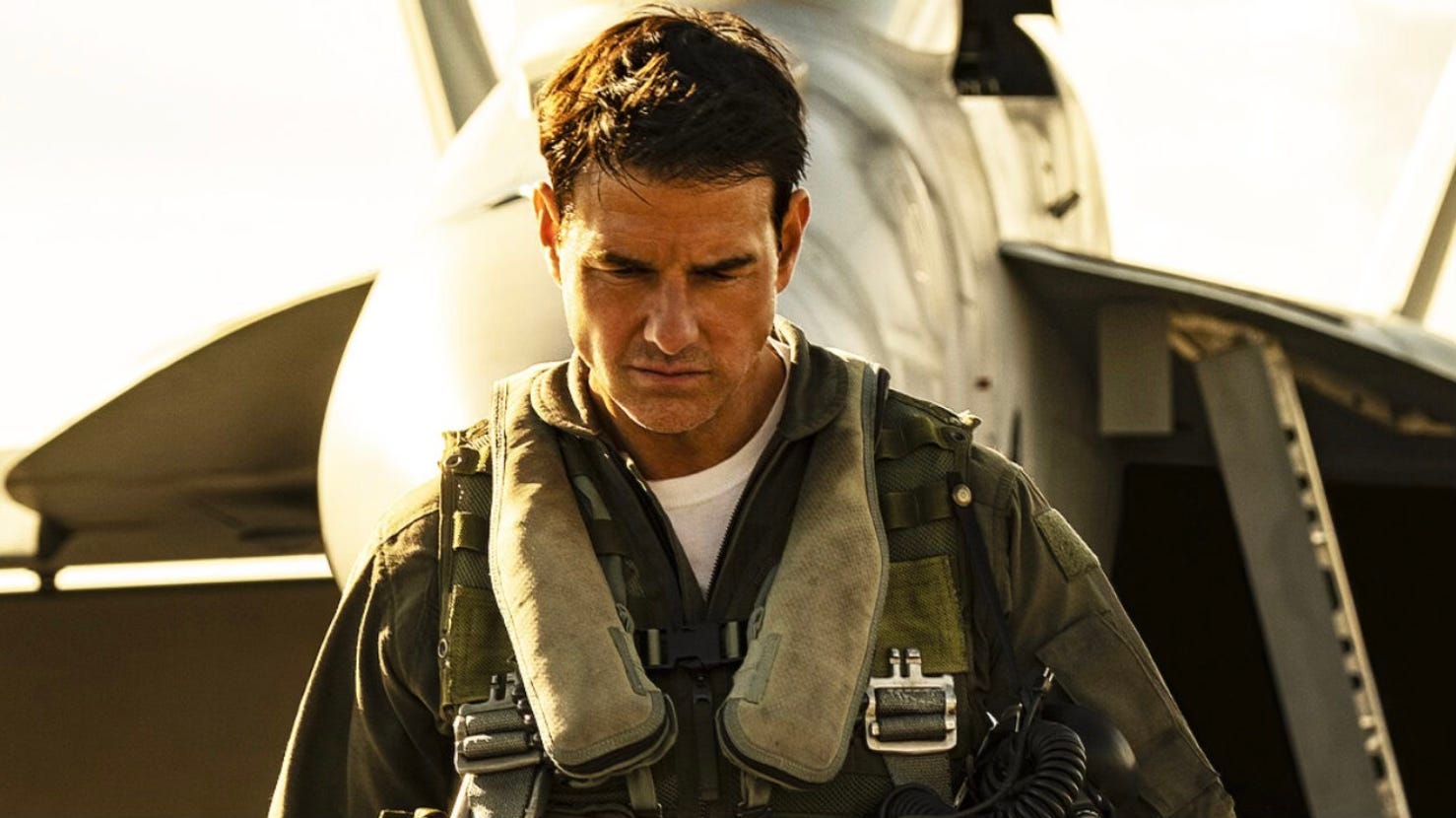
Sorry Maverick, It’s Combat Cloud Time!
As Europe's sixth-generation fighter falters, the battle for the future of air power is shifting to the digital combat network.

In short :
-The future of air superiority will depend less on the performance of a single fighter jet than by the digital architecture connecting every platform.
-The collapse of the European NGF would not mean the end of FCAS. The Combat Cloud program is set to move forward to make sure Europe has a sovereign digital combat system to operate without direct American control.
-The Airbus/Thales partnership appears best placed to carry the project forward, but NATO is working on its own digital combat architecture, built largely around American technologies and prioritizing effectiveness over sovereignty.
-Whoever controls the Combat Cloud will ultimately control the skies. The real question is whether Europe will have its own sovereign and interoperable air combat system by 2040, and with it, genuine strategic autonomy.
The whole story:
The New Generation Fighter (NGF) is dead. Long live the Combat Cloud.
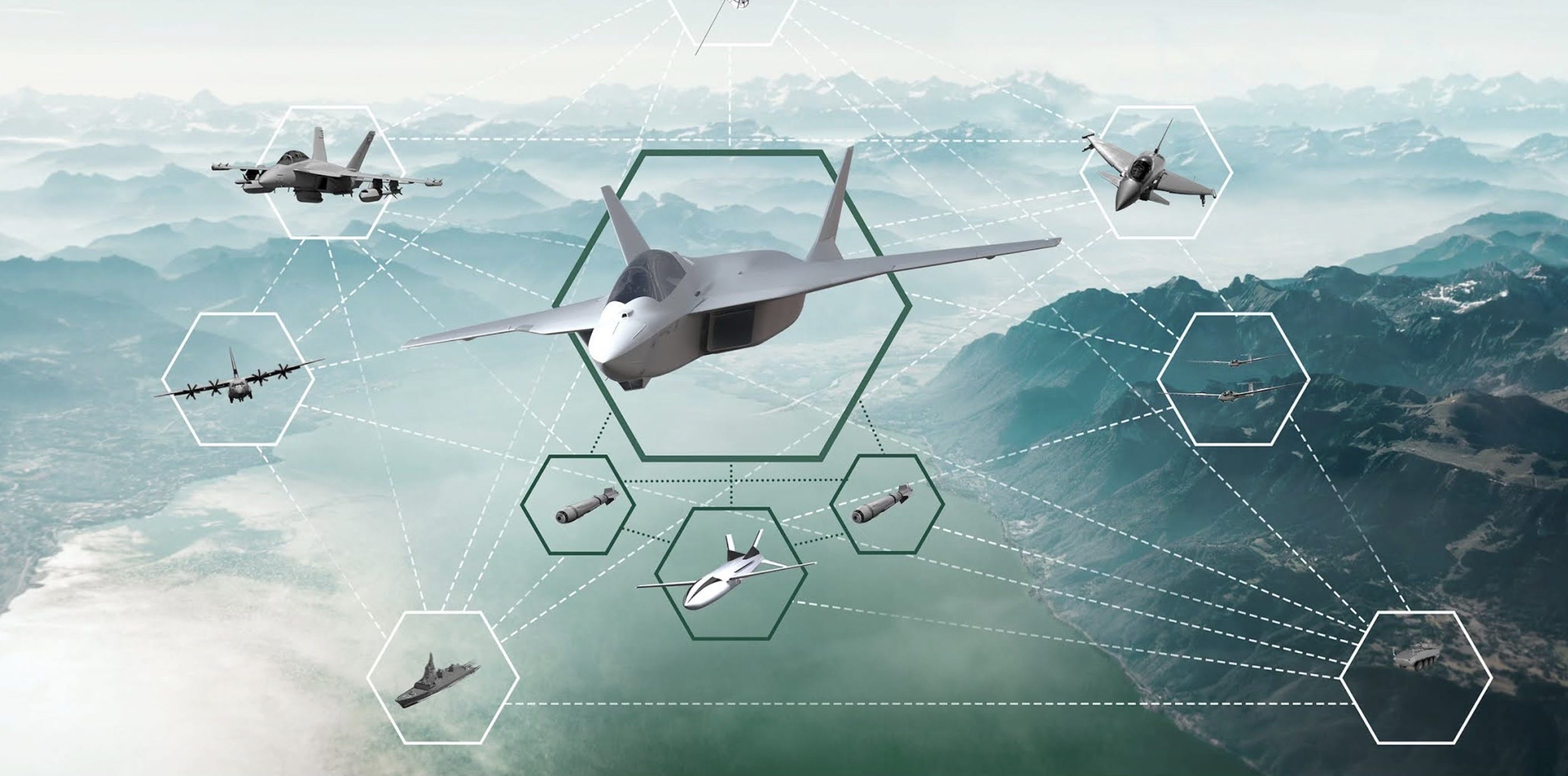
If the Franco-German-Spanish sixth-generation fighter project has effectively been grounded, the truly strategic issue is now coming back into focus: the digital combat network at the heart of the Future Combat Air System (FCAS). The second pillar of the programme, this "system of systems," is designed to connect fighter jets, tankers, attack drones, jamming and tactical communication UAVs, airborne warning systems, ground-based radars and satellites into a fully-integrated architecture capable of exploiting every piece of battlefield information in real time.
Sorry, Maverick, but for a growing number of defence experts, the future of air warfare is no longer primarily about the aircraft. It is about the digital architecture connecting every military platform together. The real breakthrough brought by artificial intelligence is not a faster jet or a stealthier airframe, but the ability to merge and analyse terabytes of data generated by thousands of sensors, identify enemy targets and create a swift decision framework. The Combat Cloud is becoming the real centre of gravity of future air combat—and Europe must ensure it has a sovereign one.
“Combat Cloud will be implemented !”
Military leaders have been making that argument for months. “The decisive element lies in networking unmanned systems and new types of sensors through what is known as a Combat Cloud,” General Holger Neumann, Chief of Staff of the German Air Force, said last November. He added, pointedly, that this capability “will be implemented regardless of the fate of the future combat aircraft.”
His French counterpart, General Jérôme Bellanger, Chief of Staff of the French Air and Space Force, has been making a similar case. In his words, the cloud will become “the true digital backbone connecting a whole range of combat platforms.” Bellanger regularly calls for a change in mindset: less focus on hardware, more on “cloud and connectivity.”
Can the Combat Cloud survive the collapse of the common fighter project? For months, Paris and Berlin have insisted that it can. German Chancellor Friedrich Merz reiterated as much on June 10. The third FCAS pillar—Remote Carriers and collaborative unmanned aircraft—is also expected to move forward. In that respect, the determination of the military establishment may prove a stronger driver than the industrial rivalries that have crippled the NGF.

The Airbus–Thales partnership is best placed to carry the project forward
“Technology has moved much faster than anyone expected,” says General Denis Mercier, former Chief of Staff of the French Air Force and former NATO Supreme Allied Commander Transformation. “In a way, the failure of the NGF is almost an opportunity, because we were about to define an aircraft before taking full account of the latest advances in artificial intelligence.”
Rather than waiting for a hypothetical sixth-generation fighter, France and Germany could instead plug the future upgrades of the Rafale F5 and the Eurofighter LTE into a common Combat Cloud while integrating, from around 2030, the first generation of collaborative drones designed to fly alongside crewed aircraft.
For now, it is the German vision that appears to be gaining ground: Europe may be able to live with several future fighter programmes, but it needs one common, sovereign and autonomous digital architecture. While Dassault led the aircraft pillar, Airbus has taken the lead on the Combat Cloud, working alongside French electronics giant Thales and Spain's Indra.
“The Airbus-Thales partnership is probably in the best position to carry the cloud project forward,” says one source close to the programme following the collapse of the NGF. And progress has already been made. German electronics specialist Rohde & Schwarz has worked on the connectivity and secure networking architecture, while Munich-based Helsing is contributing AI-enabled targeting technologies derived from its operational experience in Ukraine.
On the French side, Thales has been developing, together with Dassault, its trusted AI accelerator known as cortAIx, a software layer designed to turn the huge volumes of data generated by military sensors into actionable intelligence and tactical recommendations.
Moreover, the Airbus–Thales partnership appears largely insulated from the damaging industrial rivalries between Dassault and Airbus that ultimately brought down the NGF. There are no crown-jewel design secrets or proprietary airframe technologies at stake; the challenge is more about building common standards and interoperable interfaces. Even so, success will still depend on political trust and a genuine willingness to cooperate.
NATO prioritizes effectiveness over sovereignty.
The FCAS Combat Cloud will also have to find its place in a rapidly evolving NATO ecosystem. Almost every Ally—including France and Germany—is simultaneously investing in NATO's emerging cloud-enabled command-and-control architecture. The difference is that while NATO’s objective is operational effectiveness, Europe’s priority is increasingly technological sovereignty.
The return of uncertainty in transatlantic relations has accelerated that debate. Faced with the unpredictability of Donald Trump, European governments are increasingly convinced that they need a digital combat architecture that would allow them to operate—even if necessary without direct American support. That may well be the defining strategic challenge of the decade.
It will not be easy. The Alliance’s existing digital ecosystem remains heavily dominated by American technologies. Link 16, for instance, already provides the common tactical language that allows Rafales, F-35s, Eurofighters and Gripens to exchange tactical data in real time..
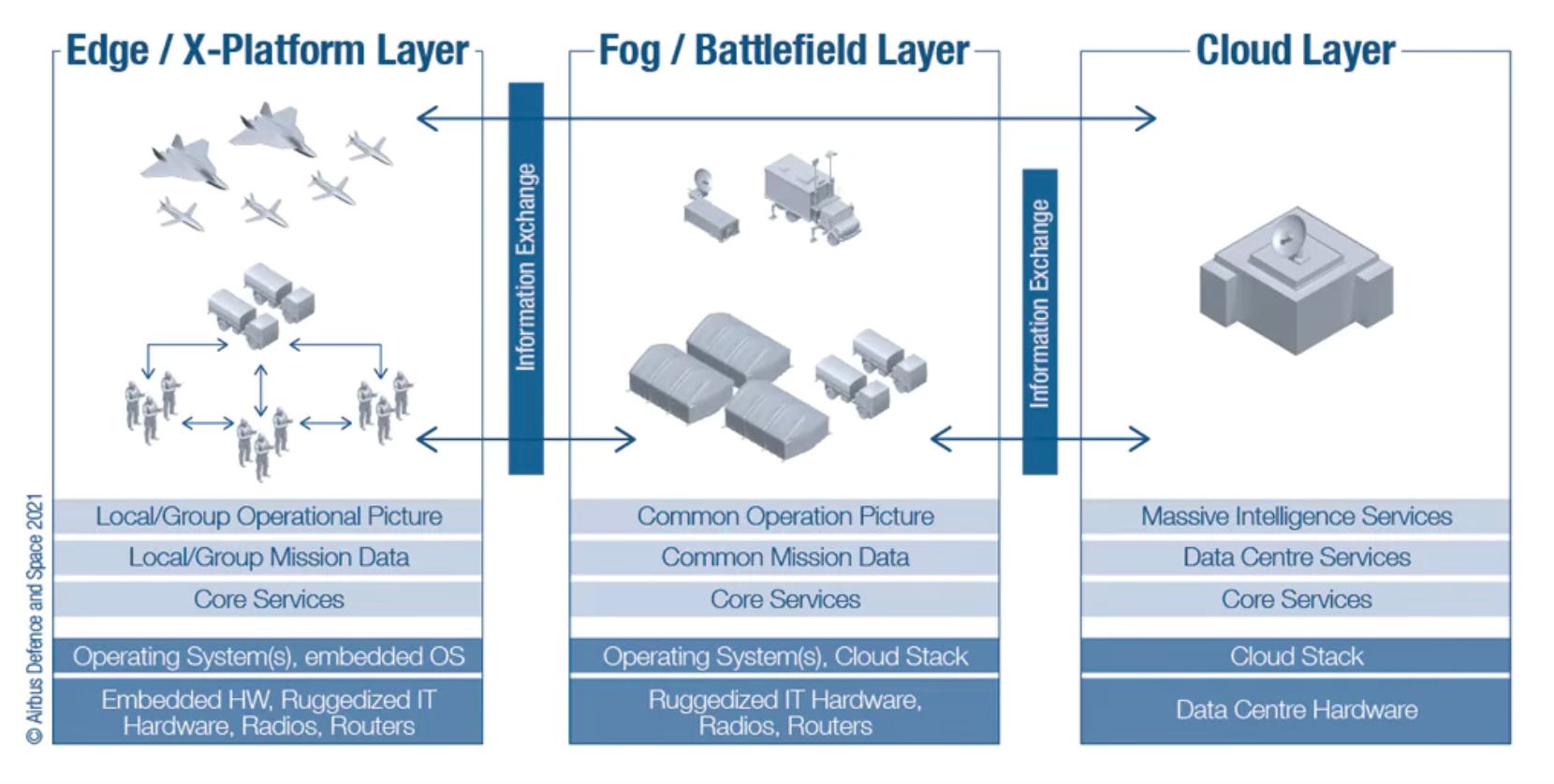
And while NATO still lacks a genuine Combat Cloud, the F-35 arguably already has one. Its Multifunction Advanced Data Link (MADL) is a fully proprietary digital architecture owned and controlled by Lockheed Martin. The thirteen European nations operating the aircraft have access to it, but software upgrades and key functionalities ultimately remain under American control. That dependency could become a strategic vulnerability.
Another challenge awaits the Airbus-Thales partnership: data governance. A Combat Cloud is not simply a communications network; it is an AI-powered decision-support system fuelled by highly sensitive national data. By definition, military data cannot simply be pooled. It is difficult to imagine, for example, France making information related to its nuclear deterrent available on a shared multinational cloud.
Technical solutions exist to reconcile data sharing with national sovereignty, but here again the United States has a head start. Today, only American data giant Palantir offers operationally proven software capable of associating every data stream with specific ownership and access rights. Unsurprisingly, NATO allies selected the company’s battle-tested Maven platform last year as the Alliance’s AI-enabled military software layer—an expedited decision that frustrated both Paris and Berlin.
Most experts agree that whatever shape a future European Combat Cloud takes, it will still have to operate seamlessly within NATO. Only the Alliance can provide the final layer of interoperability that would one day allow European nations to defend themselves together—even without direct American involvement.
The collapse of the NGF serves as a reminder of a deeper shift. Air superiority will no longer depend on the technical excellence of a single aircraft, however advanced. The fighter is becoming just one node within a much larger constellation of interconnected platforms. That evolution will soon become visible as the first operational Collaborative Combat Aircraft (CCA) working alongside crewed aircrafts.
The difference between Dassault’s and Airbus’s visions of the future was telling. Dassault wanted to be the node that hosts the network. Airbus wanted to be the network that hosts the nodes. Given its portfolio of command-and-control systems, A400M tankers, satellites and digital services, the European aerospace giant is arguably better positioned to shape the next generation of combat architecture. And unlike many of its competitors, multinational cooperation is already in its DNA.
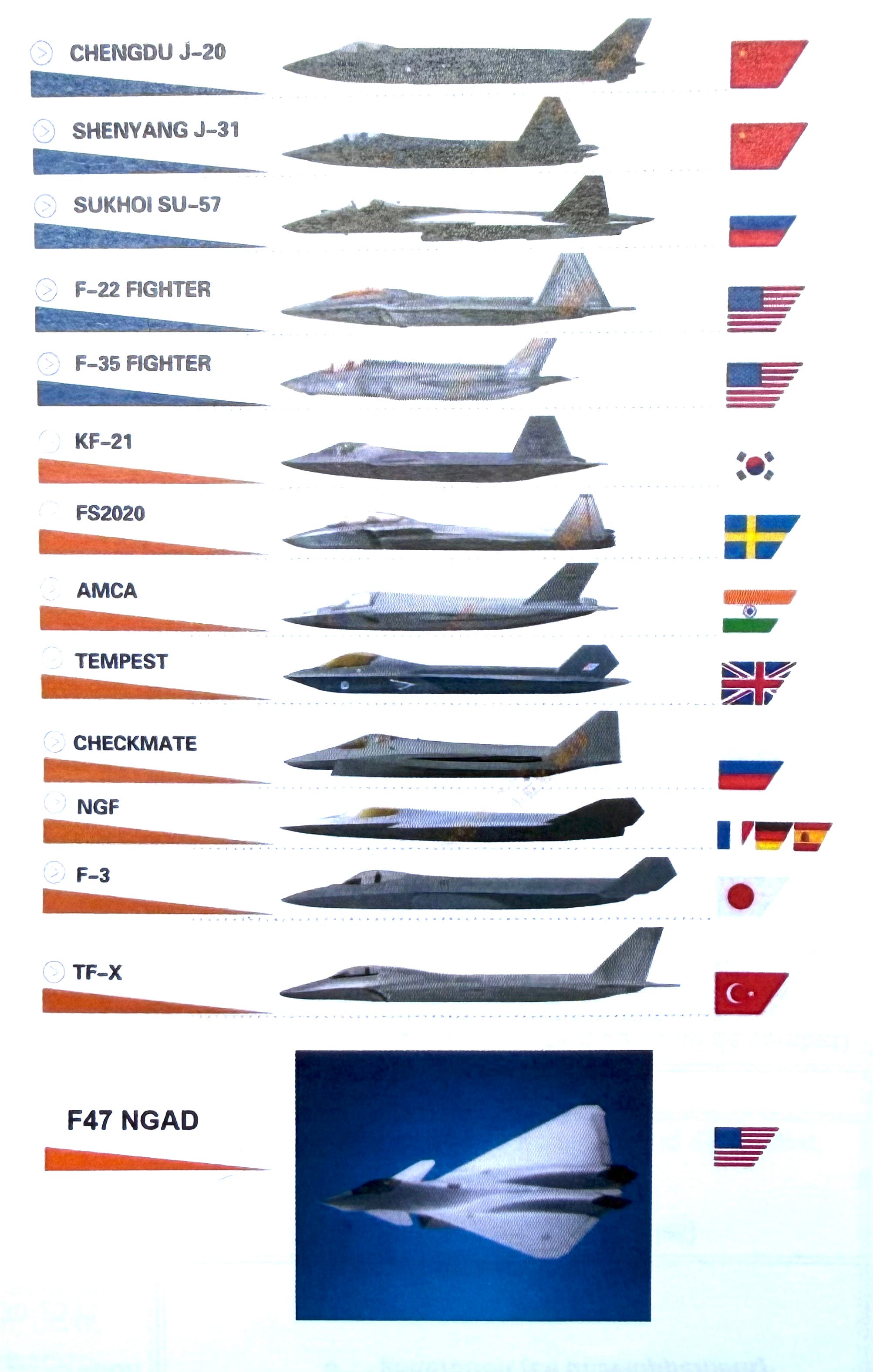
The rise of the Combat Cloud underlines a broader trend: software is overtaking hardware, speed of execution matters more than platform perfection, and continuous updates matter more than static procurement cycles. Whoever controls the architecture of the Combat Cloud—data fusion, artificial intelligence, software layers, cybersecurity and human-machine teaming protocols—will ultimately control the skies.
So which aircraft will take center stage by 2040, the year originally earmarked for the NGF's entry into service? Which path will France and Germany ultimately choose? Will the GCAP programme—bringing together the UK, Italy and Japan to develop the Tempest fighter—deliver on its promise? And what role will Sweden's increasingly courted Saab decide for its Gripen?
One thing, however, already seems certain. The F-35, with more than 600 aircraft sold across Europe, will dominate the continent’s skies for years to come. Beyond the United States and China—and to a lesser extent Russia—Turkey, India and South Korea are also investing not just in next-generation fighters, but in integrated combat ecosystems.
For Europe, the real question is therefore no longer whether it can build another fighter aircraft. It is whether, by 2040, it will have succeeded in building its own sovereign, interoperable and independent air combat system.